System map · Service 13
Agentic Harness
ONE EVE.
EVERY DOOR.
Operated by
DDeyaf Central System operator: Deyaf, the harness behind EVE. One assistant, every way in ↗Map legend, which doubles as a glossary
Select a line to isolate it on the map. Select it again to show every line.
The trunk every door feeds. It carries a question from arrival to a reply on the same door, in the same thread.
The exact reference layer (versioned catalog, manual, software, fitment and policy records) plus the taught library.
Four kinds of memory, each with one job: this conversation, the conversation record, customer notes and her library.
Where a question goes when she cannot or must not answer it: an unanswered item, a confirmed ticket, the team.
A person answers once. The answer is checked, then taught, and the library every door reads now holds it.
A door that is drawn but not running as a standard door: available with setup, switched on deliberately.
Every door
Nobody reaches a business through its architecture. People arrive through a door: the chat box on a product page, a number dialled from the road, a text sent between jobs, an email written late at night.
For most of the short history of AI assistants, each of those doors got its own bot, its own script and its own idea of what the company sells. Customers could tell, and they say so. In Zendesk’s CX Trends 2026 survey of 6,182 consumers in 22 countries, 81% said they want agents to continue a conversation without backtracking, and 74% said having to repeat information frustrates them vendor-reported.
The engineering side reached the same conclusion from the other direction. HumanLayer’s 12-Factor Agents gives the idea a factor of its own: trigger from anywhere, meet users where they are. Stripe’s engineers kick off their coding agents straight from the chat thread where a change is already being discussed company-reported. Anthropic’s guide to building effective agents singles out customer support as a natural fit, because it pairs conversation with actions a system can check. Support vendors have followed: Intercom’s help center, for one, describes putting its Fin agent on a company’s phone line through call forwarding, beside the same agent’s chat and email deployments vendor documentation.
So the door is not decoration. It is where the work arrives, and it imposes hard limits. A phone call cannot show a picture. A text has room for one short answer. An email has a thread, a signature and, sometimes, twenty other people copied on it. What must not change from door to door is everything that makes an answer trustworthy.
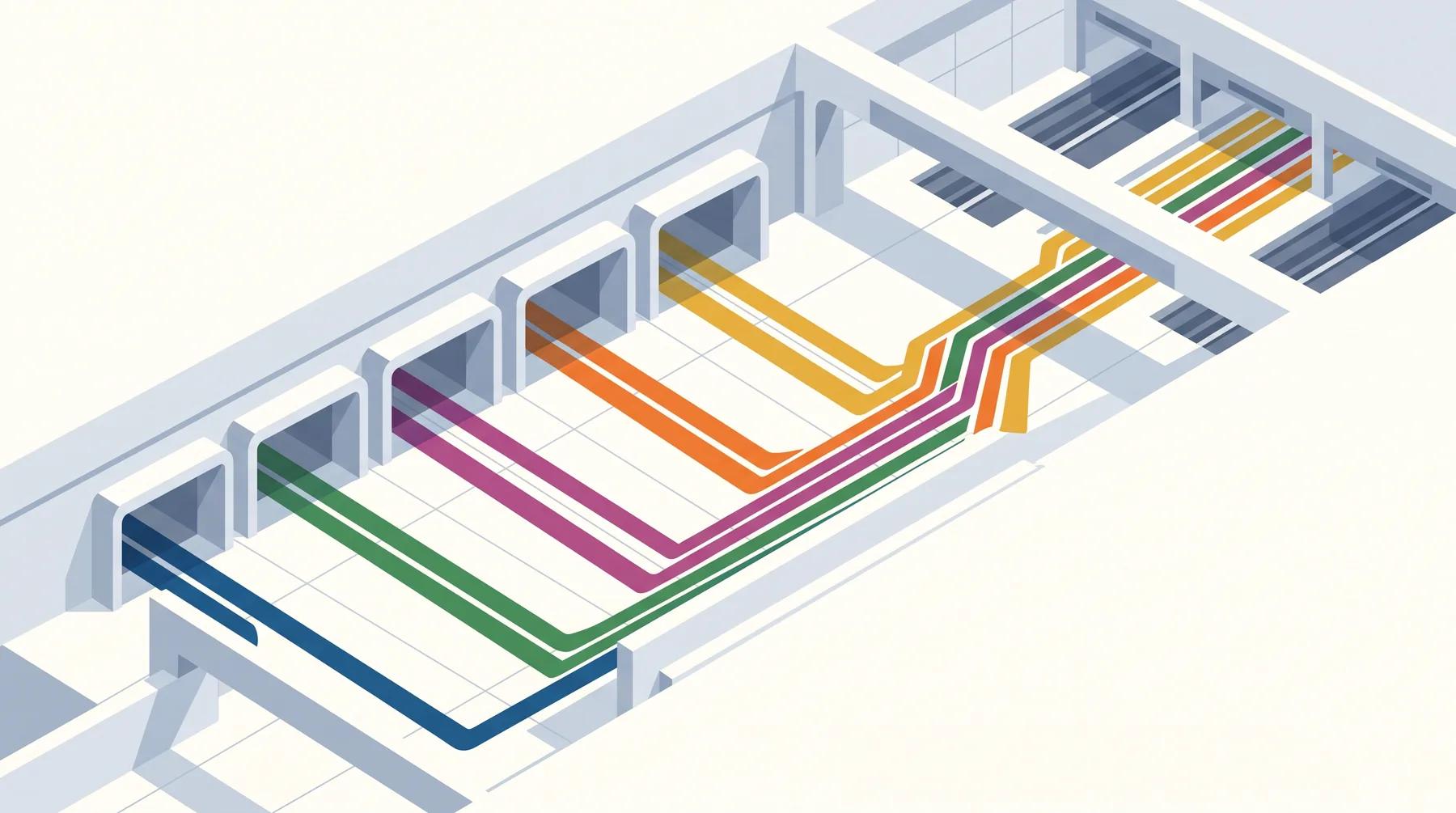
Keeping those things identical is the job of the harness. The word has settled into the industry vocabulary over the past year (LangChain’s short version is “agent = model + harness”), and Deyaf, which packages the harness behind EVE, defines it like this:
Definition
An Agentic Harness is everything around the AI model: what the assistant knows, what it remembers, where it meets customers, what it may do, and how your team teaches it.
Read that sentence against the map and every clause has a line. What the assistant knows is the green Knowledge line. What it remembers is purple. Where it meets customers is the fan of doors feeding the blue Request line. What it may do is decided at a single gate, and the orange Hand-off line leaves that gate for everything that belongs to a person. How your team teaches it is the yellow Learning line, which loops back into the library every door reads.
The model itself is not a line at all. It is the train: fast, essential, and running only where the track goes.
One trip, station by station
Follow one question through the network. A caller on Feniex’s phone line wants to know whether a part fits their vehicle. The door is the phone. Everything after the door is shared.
- Identity & rules M
Before a word is generated, the harness assembles who the assistant is on this door: her persona and operating rules, notes about the channel, the time, the bounded window of this conversation, and the short list of tools she holds on this turn. A call and a chat receive the same identity and the same rules with different channel notes. That is why she sounds like one assistant everywhere.
- Listen
On the phone this means live speech recognition and handling interruptions. In chat it is the typed message plus the page it was typed on. Each door listens its own way, and nothing downstream needs to know how.
- Look it up K
An interchange with the Knowledge line, and the station where most assistants go wrong. Before any exact claim about a product, a compatibility, a warranty, a price or a piece of software, she checks the applicable record: versioned catalog, manual, software, fitment and policy records with verified resource links, then the reviewed lessons in her taught library. The design rule is blunt. A convincing product name is not evidence.
- Check the rules H
The permission gate. Reading rides free. Anything that would change a record, commit the business or reach someone new is not hers to do, and trips that need it change to the Hand-off line here.
- Reply
The answer returns through the door it came from, in the same thread and in that door’s own form: spoken on the phone, streamed in chat, one complete message by text. She describes only what the result proves.
Anthropic draws a useful line between workflows, where code sets the path, and agents, where the model chooses its next step. A customer desk sits deliberately between the two. The model chooses the words and decides when to look something up. The track (which door, which records, which tools, which recipient) is fixed by the harness, and no message can lay new track.
That is also why trips are predictable enough to plan. Pick the door a question arrives through and where it should end up. The route below draws itself station by station, and each stop says what the harness does there. Hover over or focus a station for its service note.
Trip planner
Phone → Handed to the team9 stops · Request line, change at Check the rules for the Hand-off line
The team’s phones ring first. No one is free, so EVE answers instead of voicemail.
Service note. A door is a channel. Choosing one records intent; switching it on is a separate step.The harness assembles who she is on this door: persona, operating rules, channel notes, the time, the bounded conversation window and the tools she holds on this turn.
Service note. Same identity at every door. Only the channel notes change.Live speech recognition, with interruptions handled. “Let me check on that” covers any lookup.
Service note. Each door listens its own way. Nothing downstream needs to know how.She checks the record, and it does not settle the question. Unknown stays unknown: she says what she could not confirm.
Service note. A failed lookup means “I couldn’t check”, not “it doesn’t exist”.The honest next step is a person, so the trip changes to the Hand-off line here.
Service note. Reading rides free; writes change to a person’s line.The question becomes a durable unanswered item, so it cannot quietly disappear.
Service note. Changing lines: from Request to Hand-off.She takes the caller’s name and number instead of parking them on hold.
Service note. No transfers, by design.When contact details are available, a support ticket is filed, one per matter. She says “with the support team” only once the help desk confirms it.
Service note. An uncertain submission is never retried blindly.A person picks it up with the question and the way back to the customer.
Service note. Terminus of the Hand-off line.
Illustrative model Trips are simplified from the harness behind EVE. Station wording follows Deyaf’s and Feniex’s published descriptions; timings are not shown because a trip is not a benchmark.
Connections at this stop
RInside one answerFour steps in about three secondsEVE at Feniex: five doors, one assistant
EVE is Feniex’s assistant, and Feniex is pronounced like “Phoenix”. She is the company’s warm, composed public face.
She helps people choose suitable equipment, make a buying decision, or get support for equipment they already own. She is substantial working software, in production, and she introduces herself as “Eve, Feniex’s intelligence”. She is not a person and does not pretend to be one; approved Feniex operators manage her personality, rules and knowledge. What makes her the right example for this map is simple. She answers at every door Feniex has, and she is the same assistant at each of them.
Website chat
The richest door. Replies stream as they are written, so the first words arrive quickly, and an answer can carry structured product or resource tiles that point to the right resource. The page the visitor is on travels with the question, and the conversation history is bounded rather than endless.
Website voice
The same desk, spoken. Speech is transcribed on the way in and the reply is spoken aloud in a natural voice. Knowledge and permissions are identical to chat; only the medium changes. She never reads a web address aloud.
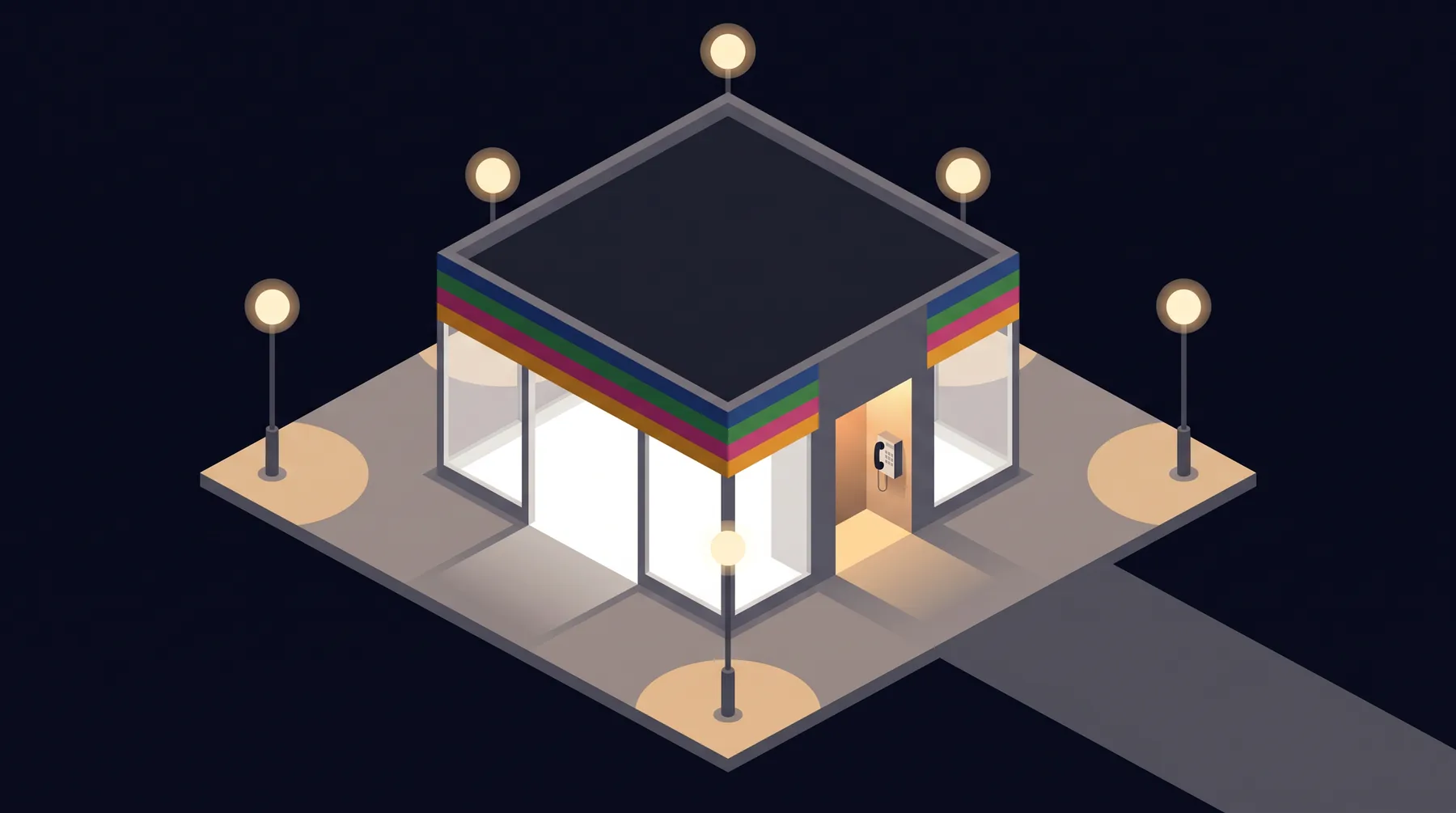
Phone
Feniex’s overflow and after-hours line. The team’s phones ring first. When no one is free or the office is closed, EVE answers instead of voicemail: “Hello, this is Eve, Feniex’s intelligence. How can I help you?” She answers from the same library the website uses, or takes the caller’s name and number and hands the matter to the team.
Every call is transcribed, a call runs at most ten minutes, and a recorded fallback plays if she is ever down. Because silence on a phone sounds like a dropped call, the design fills gaps with short cues: “One moment” after about a second and a half of quiet, “Let me check on that” the moment a lookup starts, and “Still checking” about every four seconds until the answer begins.
Text
One complete, concise reply, composed first and then sent, never dribbled out in fragments. It goes back to the number that sent the message: the model never chooses a destination. STOP and START work in every language she speaks.
The door with the most room. Replies carry more detail, a mailbox signature and threading, and they stay in the thread they answer. A direct email gets a reply; in group mail she replies only when she is addressed. Bulk mail, mailing lists and auto-replies are never answered. And the reply generator returns words, not an envelope: the thread sets the address, never the model.
Help-desk email Planned service
The grey line on the map. Deyaf describes this door as available with setup: designed to work inside tickets the help desk has already created, and to answer suitable tickets, draft a reply, or leave a note for a person. Two design rules define it. The ticket exists before she reads a word, so if she is slow, unsure or wrong, the worst case is the old normal: a person answers with the whole thread in front of them. And she never talks over a person; when a teammate is already working the ticket, she steps back. Transit maps draw planned service in grey. So does this one.
Five languages ride every door: English, Spanish, French, Portuguese and Arabic. A question in Spanish is rendered into English to search the one English library, and the answer comes back in Spanish. That makes it one library, not five copies to keep in step.
Same question, five doors
Illustrative example: not a live EVE transcript“Will this fit my vehicle?”
CallerWill this fit my vehicle?
EVESure, I can check that for you. What’s the year and model of the vehicle?
Once she has it: “Let me check on that.”
Thread: 2 messages
Thanks for writing. I can check that against our fitment records.
Could you reply with the vehicle’s year and model?
EVE · FeniexSame library. Same rule: ask for one missing detail at a time.
Illustrative example Synthetic wording written for this page to show delivery differences; not taken from any real conversation. Watch EVE answer on five doors ↗
Connections at this stop
RMeet EVEEVE on the phone, in five languagesWhat changes at the door, and what never does
Here is the whole idea in one table. The middle column is the door’s business. The right-hand column belongs to the harness.
| Door | What changes at this door | What stays the same |
|---|---|---|
| Website chat | Streaming text; page and product context; product or resource tiles; bounded history | Company identity, evidence rules, allowed tools, follow-through |
| Website voice | Speech transcribed on the way in; the reply spoken aloud in a natural voice | The same public knowledge and permissions |
| Phone | Live speech recognition, interruption handling, short spoken progress cues while she checks | The same product and support knowledge; she recognizes a returning customer’s account context, limited to that one account |
| Text | One complete, concise reply, composed and then sent | The reply goes back to the sender; the model never chooses a destination |
| More room for detail; threading and a mailbox signature; auto-reply screening | The sender and thread set the destination; the generator returns words, not an envelope | |
| Help-desk email | Planned, available with setup: works inside an existing ticket to answer, draft a reply, or leave a note for a person | Steps back when a person is already working the ticket |
The right-hand column reads short because it is really one column, repeated. That is the design. Deyaf’s own principles compress it further: one governed memory, one company voice, one human gate for consequential actions.
Sierra, which builds voice agents, describes testing them against simulated callers with synthetic voices, background noise and interruptions before any real customer hears them vendor-reported. The lesson generalizes. Every door needs its own test, because every door breaks in its own way. EVE’s releases are handled the same way: every release is checked at every door and in every language with test turns that cannot write anything, and a person reads the verdict.
Doors are also where risk walks in. Simon Willison’s “lethal trifecta” names the combination that turns a helpful agent into a leak: access to private data, exposure to untrusted content, and a way to send data out. An inbox is untrusted content by definition. Anyone can write to it, and anything they write can be phrased as an instruction. So the harness builds walls at the doors instead of hoping the model resists.
- Retrieved text is data, never instructions. Nothing in a page, a document or a message can change her role or grant access.
- Unattended means read-only. An automatic email reply runs a read-only set of tools, because no person is present to confirm a side effect.
- A text or email can never start extra work. A channel turn answers; it does not spawn tasks.
- No free-form recipients. Replies return to the sender or the thread the channel chose. Nothing she writes can become an address.
- Machines don’t get answers. Bulk mail, mailing lists and auto-replies are never answered, so no automated sender can pull her into a loop.
- A relay, not a directory. A named-teammate relay passes a message to a specific person without revealing that person’s contact details, which stay on the server.
None of these walls is clever. Each is a place where code decides, not the model.
The door changes the delivery. It never changes the rules.
Connections at this stop
KTrust & controlDeyaf’s trust and control principlesChanging lines
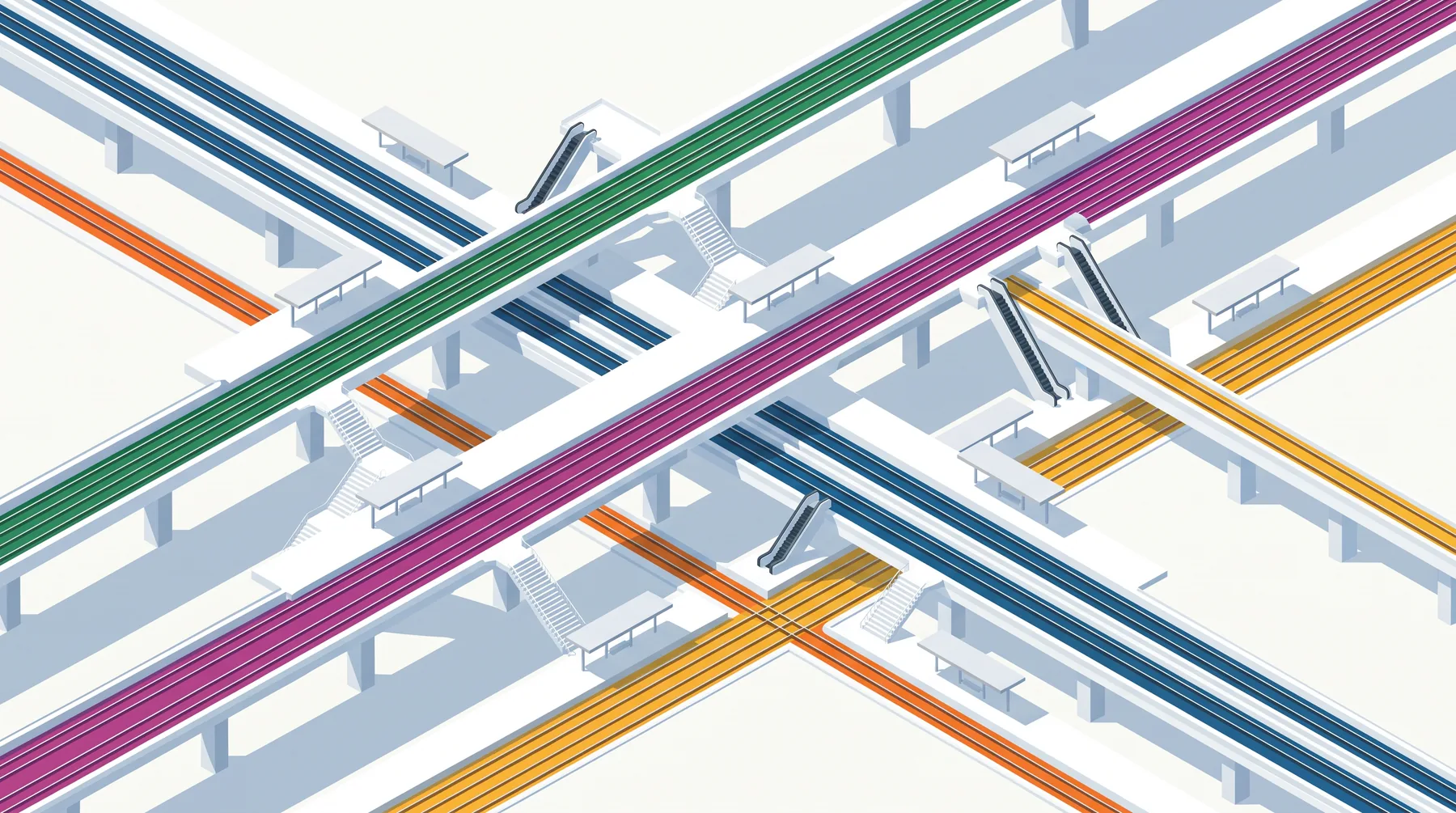
A good map makes changing lines obvious. A good harness makes it deliberate. Three lines leave the trunk, and each has a single job.
HThe Hand-off line
Any web, phone, text or email question she cannot answer becomes a durable unanswered item: recorded, not forgotten. When contact details are available, a support ticket is filed, one ticket per matter. Her words follow the result. She says a matter is “with the support team” only when the help desk confirms it accepted the ticket, and an uncertain submission is never retried blindly, because it may already have arrived.
The same line carries the requests she must not act on. She claims no authority to approve returns, change accounts, place orders or decide sensitive matters. She takes a message, and a person decides.
MThe Memory line
Four kinds of memory, each with one job. This conversation is a bounded window. The conversation record is one operator-readable archive across web, email, text and phone, and visitors cannot search it. Customer notes are short and historical, and never current facts: orders, invoices, shipments and balances are looked up fresh from the live account record every time. Her library holds reviewed lessons and documents. Raw conversations never become public knowledge automatically, and contact information is stored apart from published knowledge and never copied into it.
LThe Learning line
Answering the customer and creating a reusable lesson are separate operations. When a person answers an unanswered question, the approved question-and-answer pair is embedded, and the lesson and its receipt are committed together. At larger scale, tickets and calls are folded into a redacted, de-duplicated question book. EVE is measured on a frozen test set without making live changes, only explicitly approved lessons are published, and then she is measured again.
This is a supervised knowledge-improvement loop. It does not retrain the model, and it does not learn from every raw conversation. Deyaf lists the lesson sources as support tickets (monthly), call recordings (every 60 days) and the teach queue (daily).
Here is why the lines matter for a multichannel assistant. The Learning line ends at the library, and the library serves every door. A question first asked on the phone at night and answered once by a person in the morning is, once the lesson is approved and published, answered the next time it arrives, whether that is by email, by text, or in chat in Spanish. Five separate bots would have to learn it five times. One network learns it once.
Timetable
Transit timetables are promises with times attached. These figures are the opposite: measurements with dates attached.
They were published by Feniex about its own assistant, with the weak spots left in. Treat them as the record of one network over one week, not as a benchmark, and not as a forecast for anyone else’s assistant. Yours starts fresh, with your own knowledge.
EVE at Feniex, as measured
Feniex’s own measurements| Service | Measure | Figure | When |
|---|---|---|---|
| RWebsite chat | First word · finished reply | 1.4 s · 2.7 s | Sep 17–24, 2026 |
| RPhone | First word · finished reply | 1.6 s · 3.0 s | Sep 17–24, 2026 |
| RPhone line | Calls answered in her first week on the line: 86 while the team was busy, 16 after the office closed | 102 | since Sep 17, 2026 |
| RPhone line | Callers who stayed and talked | 93% | since Sep 17, 2026 |
| HPhone line | Calls handed straight to the team with the caller’s details, instead of being left on hold. A hand-off of details, never a transfer | 60 | since Sep 17, 2026 |
| HHand-offs | Lost. Every one sent reached the team | 0 | Sep 16–23, 2026 |
| KReport card | Handled well, on 100 fixed test questions (trend 88% → 90% → 86%, not a steady climb) | 86% | graded Sep 23, 2026 |
| KReport card | Material errors on the same 100 questions; critical errors: 0 | 10% | graded Sep 23, 2026 |
| KLibrary | Company documents · products in her catalog · taught lessons | 558 · 116 · 2,000+ | counted Sep 24, 2026 |
| MEvery door | Languages | 5 | Sep 2026 |
As of September 24, 2026 · Feniex’s internal Eve 3.0 report · machine-judged and provisional.
Two readings matter. The phone figures describe a hand-off, not a transfer: 60 of the 102 calls were handed to the team with the caller’s details instead of being left on hold. And the 86% sits beside a 10% material-error rate on the same hundred questions. The trend ran 88%, then 90%, then 86%; that is not a steady climb, and nobody should present it as one.
Service changes: how Deyaf built the network
EVE runs on the Agentic Harness Deyaf packages: her knowledge, memory, doors, rules and learning loop.
Put the other way round, Deyaf is built from EVE: the harness that runs EVE at Feniex, packaged so another business can have an assistant of its own. Deyaf’s product sentence is plain. It helps a business give its knowledge, rules, and tools to an AI assistant, then control where that assistant can help and what it may do.
The current release is an early-access setup and preview experience. The builder takes four steps (your business, what it knows, how it helps, try it) and ends in a knowledge preview that quotes the notes you supplied, inside your browser. It is not live AI, and it says so. Ask it something your notes don’t cover and it shows the hand-off; teach it the answer and the next ask finds it, a small working model of the yellow line. The preview takes about ten minutes and needs no account.
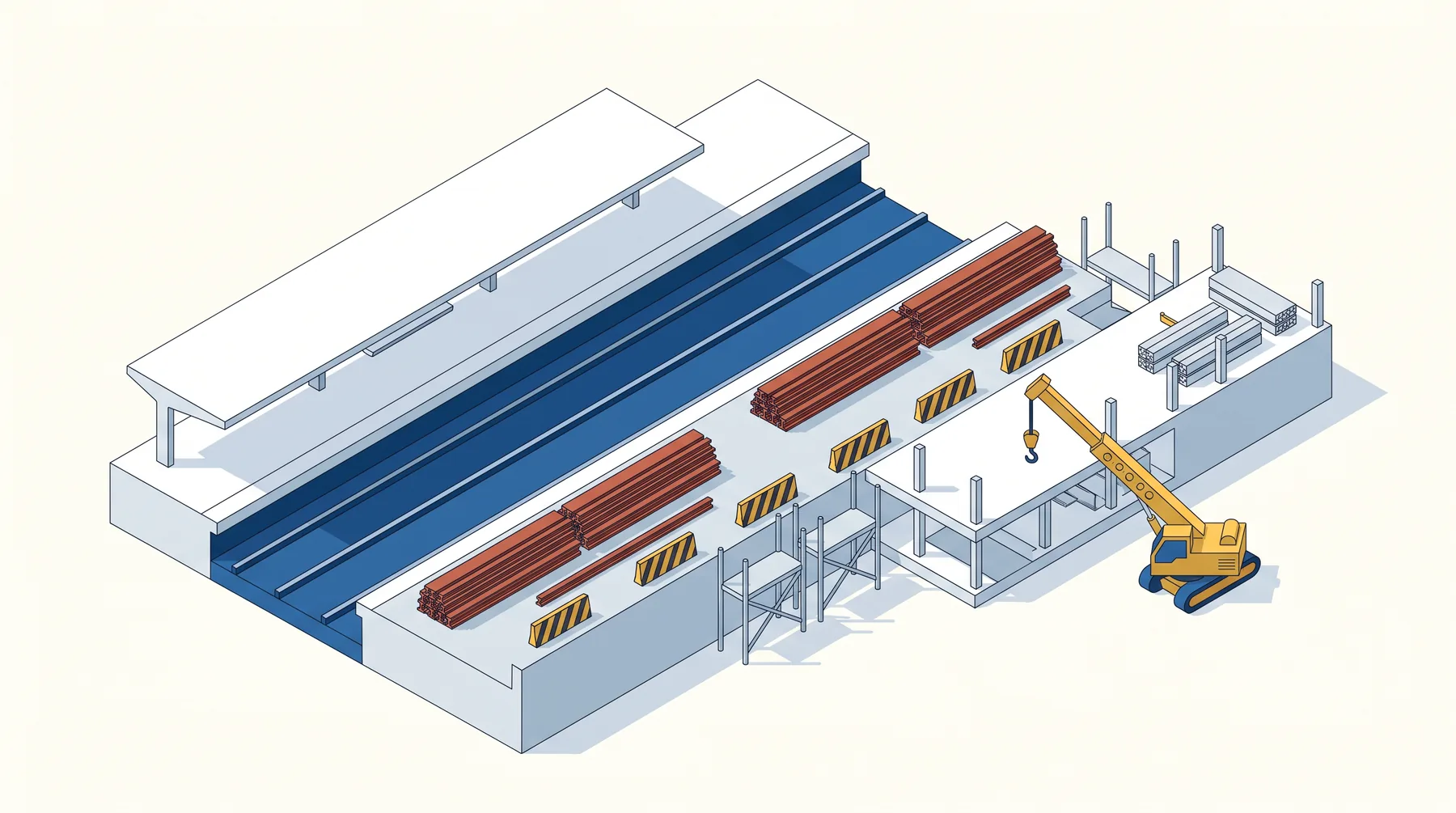
Opening a door is a service change, and Deyaf treats it the way a transit authority treats a new line. Choosing a channel in the builder records your intent. In Deyaf’s words, it “does not authorize a mailbox, activate a phone number, or connect a company account.” Each door is switched on deliberately and tracked separately, so a ready chat does not light up the phone.
The same caution governs what the assistant may do. The starting plan requires human review before external messages, record changes, or commitments. Every assistant starts at level one of a three-step ladder (answer only, then prepare for approval, then run one approved task at a time), set per workflow and per channel, with no single switch that lets her do everything. Deyaf claims no security certifications, and says live customer service requires activation and a completed security review.
The board below walks the service changes in order, using Deyaf’s own wording for each state.
Service change board
A new line, opened one state at a time
Needs: the draft in your browser. Does not mean: anything was sent; the preview is not live AI.
Needs: an account created on purpose. Does not mean: a workspace exists.
Needs: workspace, owner, policies and knowledge saved. Does not mean: anything is live.
Needs: a real test answer from your workspace. Does not mean: phone or text are ready.
Needs: working credentials and a real delivery test. Does not mean: the other doors are connected.
Needs: permissioned credentials, verified. Does not mean: actions skip human review.
Needs: runtime, channel, limits and recovery checks passed. Does not mean: certification of any kind.
Service change
“Your preview setup is saved in this browser”
- What has to be true
- The draft exists in your browser’s storage, and it can be downloaded.
- What it does not mean
- Nothing has been sent anywhere. The preview quotes your notes; it is not live AI.
State 1 of 7
Illustrative walk-through The seven states and their wording come from Deyaf’s published plan. Readiness is tracked per capability, and no dates are implied.
Connections at this stop
LYour versionStart with one good job, and grow from thereFurther down the line
This map ends at Deyaf Central, but two of its doors keep going. The chat door and the phone door are the two customers meet most, and each now runs on as an extension with three more stations.
Both branches leave the same trunk. The chat branch starts at the box in the corner of a product page: streaming text, the page riding along with the question, product tiles once a product is identified, and a history bounded to this conversation. The phone branch starts on the overflow line, where the team’s phones ring first and EVE picks up only when no one is free or the office has closed. Same identity, same library, same rules on both; only the delivery changes.
Chat branch
- The Box in the Corner Site 21
Inside a website chat box, drawn as a comic: what rides along with the question, the stream, the product tile and the hand-off.
- From Script to Source Site 22
How the box got here: live chat, then scripted bots, then chat that invents, then chat that answers from its sources.
- Mind Your Manners Site 23
Chat-box etiquette: say it’s AI, answer and then stop, don’t pop up, and keep an honest path to a person.
Phone branch
- Nobody Has to Hold Site 24
Automatic call taking: overflow and after-hours, the cues that keep a call from going silent, and one phone line’s 24 hours.
- Press 1 Is Over Site 25
Call routing, from phone trees and queues to intent routing, and why the way out is a hand-off of details.
- The Elements of a Phone Assistant Site 26
Every part of a phone assistant, laid out as a periodic table.
Ride either branch far enough and you arrive back where this map began: one assistant, and a door that changes the delivery but never the rules.
Connections at this stop
HMeet EVEWhat EVE does when the team is busy or the office is closedYour line starts here.
Give it a name and a little of what your business knows, and try the knowledge preview. Choosing a door records your intent; each live door is switched on deliberately, after activation.
Questions riders ask
RIs every door a separate assistant?
No. Every door feeds one assistant with one library and one rulebook. The door decides the delivery (streamed text, a spoken voice, one complete text, an email in its thread). It never decides what she knows or what she may do.
RCan EVE put me through to a person on the phone?
No transfers, by design. When no one on the team is free or the office is closed, she answers from her library or takes your name and number and hands the matter to the team, so nobody waits on hold for a line that is already busy.
KCould an email or a text talk her into doing something?
That is what the walls are for. Retrieved text is data, never instructions. A text or email can never start extra work, automatic email replies run read-only, and replies go only to the sender or thread the channel chose.
HWhat happens when she doesn’t know?
The question becomes an unanswered item. If contact details are available, a ticket is filed, one per matter, and she says it is with the support team only once the help desk confirms it. A person answers once; the answer is checked, then taught.
MDoes she remember me from one door to the next?
The conversation record is one operator-readable archive across web, email, text and phone, and visitors cannot search it. Customer notes are short and historical. Order status, invoices, shipments and balances are always looked up fresh, never recalled from memory.
HCan she approve a return or change my account?
No. She claims no authority to approve returns, change accounts, place orders or decide sensitive matters. She takes a message and a person decides. As Deyaf puts it, answering is not acting ↗.
PIf I pick “phone” in the Deyaf builder, is my line live?
No. Choosing a channel records your intent; it does not activate a number. Each door is switched on deliberately, one at a time, after its own credentials and a real delivery test succeed.
PWhy is the help desk drawn in grey?
Because it is planned service. Deyaf describes the help-desk responder as available with setup, designed to answer suitable tickets, draft a reply, or leave a note for a person. The map does not draw it as a standard door, and neither does this article.
Sources
- Building Effective AI Agents
Workflows versus agents; customer support as a natural agent use case that pairs conversation with checkable actions.
- The Anatomy of an Agent Harness
The “agent = model + harness” framing and the pieces that follow from it.
- 12-Factor Agents
“Trigger from anywhere, meet users where they are”: agents should start from the places people already work.
- Minions: Stripe’s one-shot, end-to-end coding agents
Engineers start agents from the chat thread where a change is discussed, as well as from other internal tools.
- CX Trends 2026 press release
Survey of 6,182 consumers in 22 countries (June 2025): 81% want agents to continue without backtracking; 74% are frustrated repeating information.
- Deploy Fin Voice
An example of one vendor’s agent deployed to phone lines through call forwarding, beside its chat and email deployments.
- How Voice Sims work
Voice agents tested against simulated callers with synthetic voices, background noise and interruptions before launch.
- The lethal trifecta for AI agents
Private data, untrusted content and a way to send data out: never combine all three.
EVE facts and figures come from Deyaf’s and Feniex’s published materials; figures carry the attribution “As of September 24, 2026 · Feniex’s internal Eve 3.0 report · machine-judged and provisional.” The cited sources are independent: none of them reviewed or endorses Deyaf. Vendor examples are industry context, not a description of EVE’s stack.